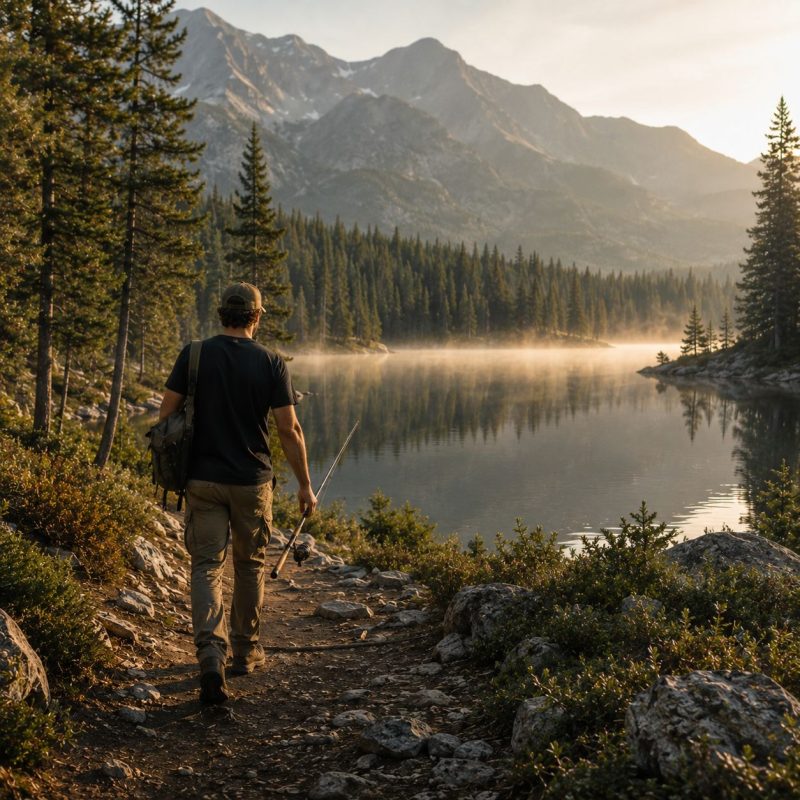

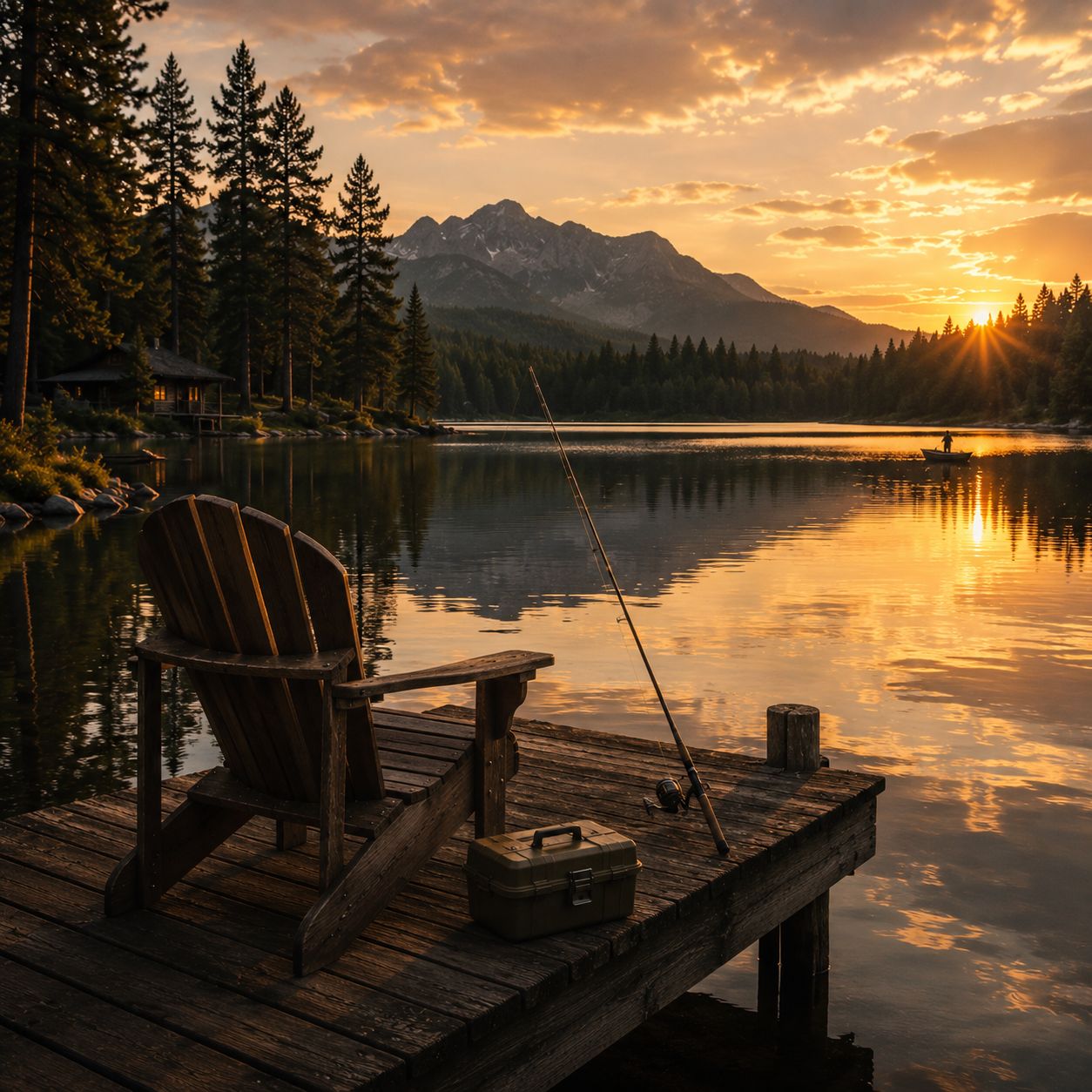
Some days do not need much planning. A quiet shoreline, a favorite chair, a fishing rod, something cold to drink, and a few hours with nowhere else to be can be enough.
That is part of what makes a day at the lake so enduring.
Outdoor trends change. New equipment arrives every season. Destinations come and go. Yet people continue returning to lakes for many of the same reasons they always have: open water, fresh air, simple activities, and the chance to slow down.
Whether the day involves fishing, paddling, swimming, camping, or simply sitting near the water, lake days have a character that is difficult to replace.
Here is why they never seem to go out of style.
1. Lake Days Keep Things Simple
Modern life can make even leisure feel complicated. There are reservations to make, places to be, notifications to answer, and schedules to follow.
A lake can offer the opposite.
You do not necessarily need an elaborate itinerary. Sometimes the entire plan is simply to arrive, find a comfortable spot, and see where the day goes.
You might cast a line for an hour, walk along the shoreline, take a kayak onto the water, or sit under a tree doing very little at all.
That simplicity is part of the appeal.
A good lake day is rarely measured by how much you accomplish.
2. There Is Something Different About Being Near Water
People are naturally drawn to water.
At a lake, the landscape seems to move at a different pace. Waves reach the shoreline. Reflections shift with the clouds. Boats move slowly in the distance. The light changes across the surface as morning becomes afternoon.
Even when nothing particularly exciting is happening, there is always something to watch.
For many people, that makes a lake an ideal place to disconnect from routines and spend time outdoors without needing constant activity.
Sometimes the best part of the day is simply finding a quiet place near the shore.
3. Every Lake Day Can Be Different
One reason lake days remain interesting is that no two have to look the same.
One weekend might begin before sunrise with a fishing rod and a thermos of coffee.
Another could involve kayaks, swimming, and a picnic with friends.
A cooler autumn afternoon might mean walking the shoreline before sitting near a campfire.
Lake activities can include:
- Fishing
- Kayaking
- Canoeing
- Paddleboarding
- Swimming
- Hiking
- Camping
- Wildlife watching
- Photography
- Picnicking
- Reading by the water
- Simply relaxing
You can build an entire day around activities or choose almost none at all.
Both approaches work.
4. Early Mornings Feel Different at the Lake
There is a particular atmosphere around a lake early in the morning.
The water is often calmer. The shoreline is quieter. Mist may still be sitting above the surface, and the first sunlight begins reaching the trees.
For anglers, this is often one of the most anticipated parts of a fishing trip. But you do not have to be fishing to appreciate it.
A cup of coffee on a dock can be enough.
Early lake mornings also provide something increasingly difficult to find elsewhere: a period of time when almost nothing is demanding your attention.
There is water in front of you, a day ahead of you, and little reason to hurry.
5. Fishing Makes the Experience Even More Unpredictable
Fishing fits naturally into lake life because it shares the same unhurried rhythm.
You cast.
You wait.
You move to another spot.
You try again.
Some days bring plenty of action. Other days bring almost none.
Yet a slow fishing day does not necessarily mean a bad lake day.
The weather, scenery, conversation, wildlife, and simple process of casting can be memorable even when the fish are not cooperating.
That unpredictability is part of why anglers keep returning.
There is always another cast.
6. Lake Days Work Just as Well With Company
A lake can provide solitude, but it can also be a great place to spend time with other people.
Families can gather near the shore. Friends can fish together from a boat. Someone can paddle while another person stays on the dock. Conversations can continue without the usual distractions of indoor spaces.
There is no requirement for everyone to be doing the same thing.
That flexibility makes lake days suitable for different generations and different interests.
One person might be focused on fishing while someone else is reading nearby. Later, everyone meets back at the same picnic table.
It is an easy kind of togetherness.
7. They Can Be Just as Good Alone
On the other hand, sometimes the whole point is to go alone.
Solo lake trips offer space to think, explore, or simply enjoy some quiet.
Fishing alone can be especially peaceful because there is no need to keep a conversation going or follow someone else’s schedule. You can stay at one spot for hours or move whenever you feel like it.
For people accustomed to busy days, even a few uninterrupted hours outside can feel significant.
The lake does not ask for much.
8. You Do Not Need Perfect Weather
The classic image of a lake day might involve blue skies and warm sunshine, but some of the most memorable conditions are less perfect.
A cloudy morning can make a lake feel peaceful and dramatic.
Light rain changes the sound of the water.
Cool autumn air brings different colors to the shoreline.
Even fog can completely transform a familiar fishing spot.
Of course, weather conditions should always be taken seriously, particularly thunderstorms, strong winds, extreme temperatures, and rapidly changing conditions. But within safe conditions, a lake does not need postcard weather to be worth visiting.
Sometimes imperfect weather gives the landscape more character.
9. Every Season Changes the Experience
Lake life is not limited to summer.
Spring
Trees begin turning green again, temperatures become more comfortable, and anglers return to the water after winter.
Summer
Long daylight hours make room for fishing, swimming, paddling, camping, and evenings by the shore.
Fall
Cooler temperatures and changing leaves can completely transform familiar lakes. For many outdoor enthusiasts, this is one of the best times to be outside.
Winter
In suitable climates and where conditions are safe, lakes can offer an entirely different atmosphere during winter.
The location may stay the same, but the experience changes throughout the year.
That gives people a reason to keep coming back.
10. The Best Lake Gear Is Usually the Simple Stuff
You do not necessarily need to pack half the house for a day near the water.
What you bring depends on what you plan to do, but a simple setup often includes:
- Comfortable outdoor clothing
- Appropriate footwear
- Hat and sunglasses
- Sunscreen
- Water
- Food or snacks
- An extra layer
- Rain protection when needed
- Fishing equipment if you plan to fish
- A chair or blanket for relaxing
For longer or more remote trips, additional safety and navigation equipment may be necessary.
The important point is to prepare for the location and conditions rather than bringing equipment simply because it exists.
11. Comfortable Clothing Fits the Pace
Lake days tend to favor clothing that you do not have to think about.
A comfortable T-shirt, shorts or outdoor pants, a cap, and practical footwear are enough for many casual trips. Cooler mornings may call for a hoodie or light jacket that can be removed later.
If you are hiking, boating, kayaking, or spending long periods exposed to the sun, your clothing choices should naturally change with the activity.
The goal is not to create a particular “lake look.”
It is simply to wear something that lets you move, relax, and stay comfortable throughout the day.
12. The Small Moments Usually Become the Memories
Ask someone about a favorite lake trip years later, and the answer may not involve anything extraordinary.
It could be:
The first cast before sunrise.
Coffee on a cold dock.
A fish that got away.
A quiet paddle across still water.
Lunch eaten from the back of a truck.
A sudden rain shower.
Someone telling the same fishing story for the tenth time.
Watching the sun disappear behind the trees.
These moments are ordinary while they are happening.
That may be exactly why they stay with us.
13. Lake Days Give Us a Reason to Slow Down
Many outdoor activities are built around reaching something: a summit, a destination, a personal best, a finish line.
A lake does not necessarily work that way.
You can spend an entire afternoon in almost the same place.
For anglers, waiting is part of the activity. For everyone else, sitting near the water can be the activity.
That slower pace can make a few hours feel surprisingly long—in a good way.
You notice the weather changing. You hear birds in the trees. You watch another boat cross the water. You realize the sun is lower than it was the last time you looked.
Nothing dramatic has happened.
And somehow, that is enough.
Lake Days Are About More Than the Lake
The lasting appeal of lake days probably has less to do with any particular activity and more to do with how all the pieces come together.
Water.
Open space.
Fishing rods leaning against the dock.
A worn chair near the shoreline.
Friends talking around a campsite.
A quiet morning alone.
The possibility that the next cast might be the one.
There are faster ways to spend a weekend and certainly more complicated ones.
But perhaps that is exactly why lake days endure.
They remind us that a good day does not always need to be full.
Sometimes you just need somewhere to go, enough time to stay awhile, and a little water in front of you.
And that never really goes out of style.