
A good fishing trip often starts long before the first cast. Checking the weather, choosing a spot, preparing your tackle, and packing food and water all matter. Clothing deserves the same attention.
What you wear can make the difference between enjoying several hours by the water and spending the day feeling too hot, cold, wet, or uncomfortable. The right fishing outfit does not need to be complicated or highly specialized. In most situations, the goal is simply to stay comfortable, protected, and prepared for changing conditions.
Whether you are heading to a quiet lake, walking along a river, fishing from a dock, or spending the day on a boat, here is a practical guide to choosing what to wear.
1. Start With the Weather, Not the Outfit
Before deciding what to wear, check the forecast for the entire time you expect to be outdoors, not just the temperature when you leave home.
Conditions around lakes, rivers, and open water can change quickly. A cool morning may turn into a hot afternoon, while a comfortable day on shore can feel considerably colder once wind picks up on the water.
Pay attention to:
- Temperature and expected temperature changes
- Chance of rain
- Wind speed
- Sun exposure
- Humidity
- Conditions around your specific fishing location
This information determines almost everything else you should wear.
2. Choose a Comfortable Shirt
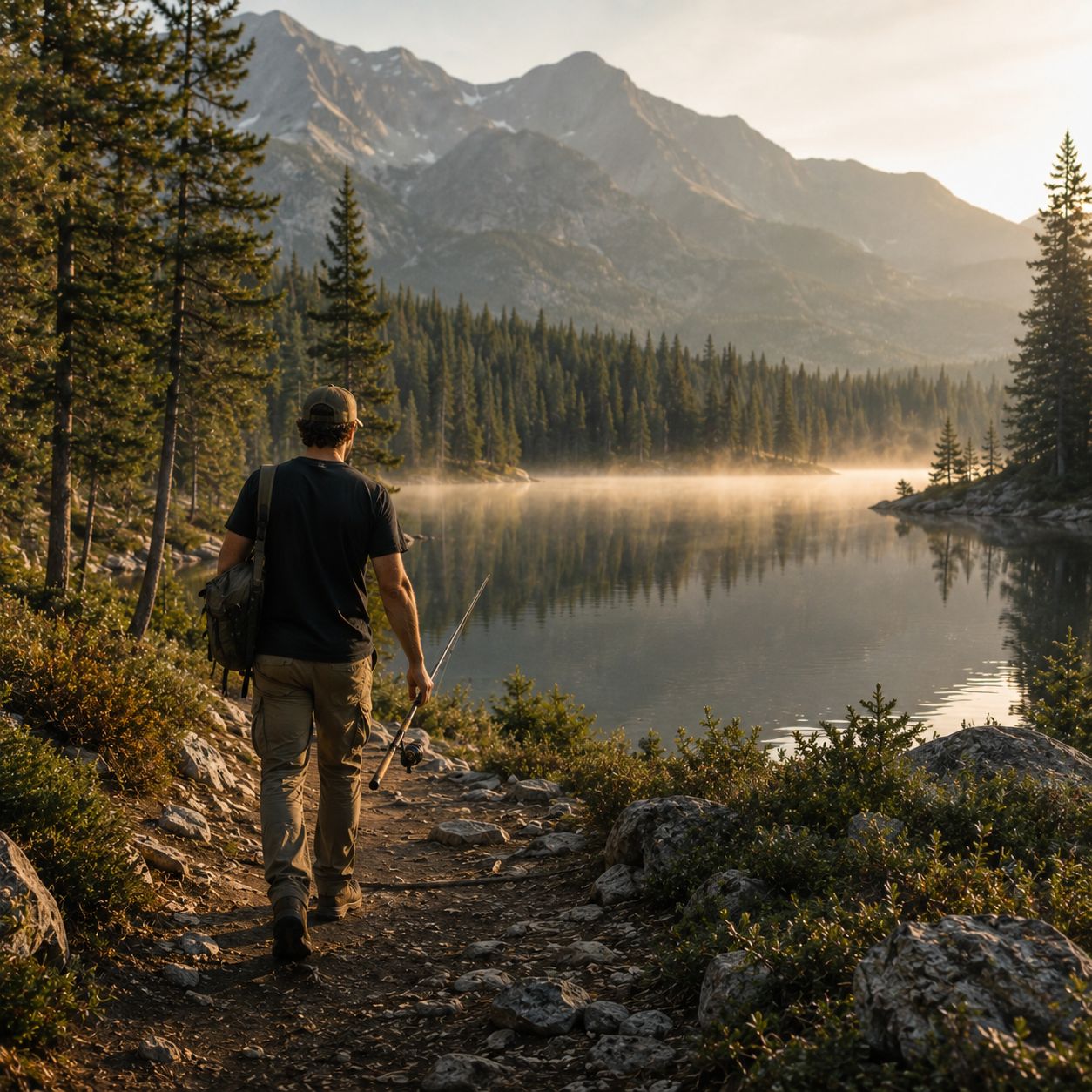
For casual fishing trips in mild or warm weather, a simple T-shirt can be perfectly suitable.
The most important consideration is comfort. You may spend hours casting, walking, sitting, or moving between fishing spots, so your shirt should allow natural movement without feeling restrictive.
A comfortable fishing-day shirt should generally be:
- Easy to move in
- Appropriate for the temperature
- Comfortable for extended wear
- Easy to layer when conditions change
On particularly sunny or hot days, a lightweight long-sleeve shirt can provide additional coverage. When temperatures are cooler, a T-shirt can instead work as the base of a layered outfit.
There is no single shirt that works for every fishing trip. Conditions should determine what makes sense.
3. Layer for Changing Conditions
Layering is one of the simplest ways to prepare for unpredictable outdoor weather.
Rather than relying on one heavy piece of clothing, use several lighter layers that can be added or removed throughout the day.
A basic system might look like this:
Base layer:
A comfortable T-shirt or lightweight shirt.
Middle layer:
A hoodie, fleece, or light sweater for additional warmth.
Outer layer:
A wind-resistant or waterproof jacket when conditions require it.
This approach is particularly useful for early-morning fishing. You may need a jacket when arriving before sunrise but feel comfortable in a T-shirt several hours later.
The same principle applies in reverse during evening trips as temperatures begin to fall.
4. Wear Practical Pants or Shorts
Your choice between pants and shorts depends largely on weather and terrain.
Shorts can be comfortable for warm days around accessible lakes, docks, and boats. However, longer pants offer additional protection when walking through brush, tall grass, rocky trails, or areas with insects.
For more active fishing trips, look for clothing that allows you to:
- Bend and crouch comfortably
- Walk over uneven terrain
- Carry small essentials
- Move freely while casting
Quick-drying materials can also be useful around water, particularly when wading or fishing from small boats and kayaks.
Avoid choosing bottoms based only on appearance. Fishing often involves more movement than expected.
5. Do Not Overlook Footwear
Footwear is one of the most important parts of a fishing outfit.
A quiet afternoon on a wooden dock requires very different footwear from hiking several miles to reach a mountain stream.
For easy-access locations, comfortable outdoor shoes may be sufficient. For rocky riverbanks, muddy trails, or uneven terrain, shoes or boots with reliable traction become much more important.
If your trip involves wading, footwear designed for wet conditions may be appropriate.
Whatever you choose, prioritize:
Grip, comfort, stability, and suitability for the terrain.
Wet rocks, boat decks, and muddy shorelines can all become slippery.
6. Bring Sun Protection
Hours spent near the water can mean considerable sun exposure.
Water can reflect sunlight, while open lakes and rivers often provide little natural shade. Even on cooler days, prolonged exposure can still be significant.
Useful protection includes:
- A cap or wide-brimmed hat
- Sunglasses
- Sunscreen
- Lightweight clothing that provides additional coverage
Polarized sunglasses are particularly useful around water because they can help reduce surface glare, making conditions more comfortable for your eyes.
Do not wait until the middle of the day to think about sun protection. It is much easier to prepare before leaving.
7. Prepare for Rain and Wind
A clear morning does not guarantee a clear afternoon.
A lightweight waterproof shell takes relatively little space and can be valuable when conditions unexpectedly change.
Wind deserves attention as well. Temperatures that feel comfortable on land can feel noticeably cooler on an exposed shoreline or moving boat.
For trips where rain or wind is possible, consider packing:
- Lightweight rain jacket
- Wind-resistant outer layer
- An extra dry shirt
- Dry socks
You may never need them, but having a small backup layer can prevent minor weather changes from ending the trip early.
8. Dress for the Fishing Environment
Not every fishing trip is the same, and your clothing should reflect where you are going.
Lake Fishing
Lake fishing can involve docks, boats, open shorelines, or long periods in direct sunlight.
Comfortable clothing, sun protection, and an extra layer for wind are usually sensible starting points.
River Fishing
Riverbanks can involve rocks, mud, vegetation, and uneven surfaces.
Footwear with good traction and clothing that allows easy movement become particularly important.
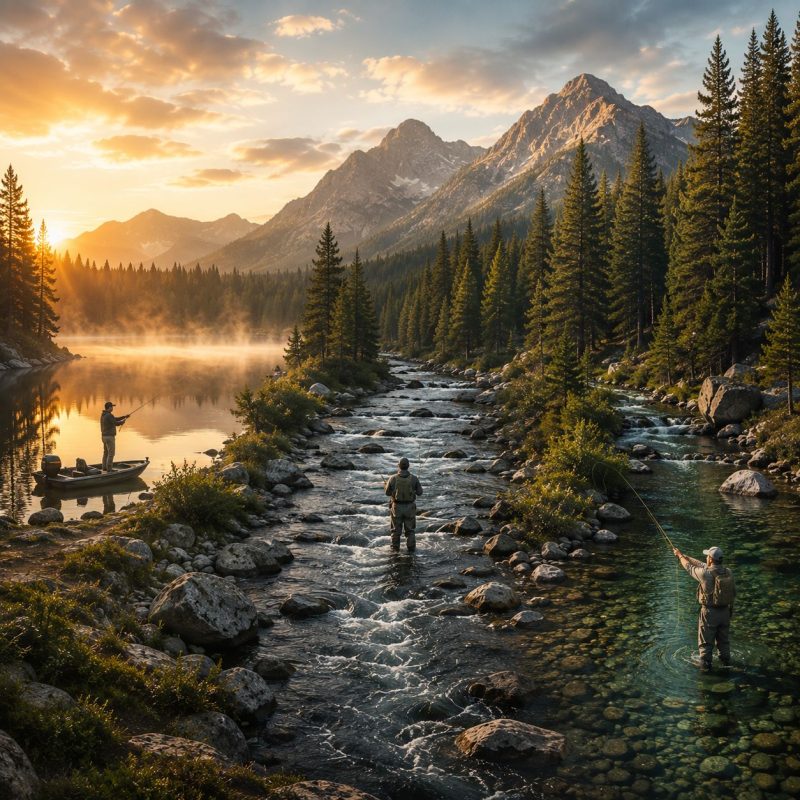
Mountain and Trout Fishing
Reaching mountain streams may require hiking before you even begin fishing.
Wear clothing suitable for walking and expect temperatures to vary between shaded valleys, exposed trails, and higher elevations.
Kayak Fishing
Because you are close to the water, consider clothing that can handle splashes and dry reasonably quickly.
Appropriate water-safety equipment should always take priority over appearance.
Fishing From a Dock or Pier
These trips usually require less technical clothing, but sun, wind, and changing temperatures still matter. Comfortable casual outdoor clothing is often enough.
9. Consider Insects and Vegetation
Warm-weather fishing often means sharing the environment with mosquitoes, ticks, and other insects.
Long pants and long sleeves can provide useful coverage when fishing around:
- Tall grass
- Dense vegetation
- Wooded riverbanks
- Marshy areas
This is another reason why the lightest possible outfit is not necessarily the most comfortable choice during summer.
Think about the environment around the water, not only the weather above it.
10. Keep Accessories Simple
Fishing gear can already involve plenty of equipment, so there is little reason to complicate your clothing.
A few practical accessories are usually enough:
- Hat
- Sunglasses
- Small backpack or fishing bag
- Weather-appropriate outer layer
- Extra socks
- Lightweight gloves when conditions require them
Carry what serves a purpose.
The goal is to spend less time managing your clothing and more time enjoying the water.
A Simple Fishing Outfit Checklist
For a typical mild-weather fishing day, a straightforward outfit might include:
Comfortable shirt
Outdoor pants or shorts
Weather-appropriate footwear
Hat
Sunglasses
Light jacket or hoodie
Rain shell if rain is possible
For longer or more remote trips, add clothing appropriate for the terrain, temperature, and expected conditions.
There is no need to dress like you are heading on an expedition when you are spending two hours at a neighborhood lake. At the same time, a casual dock outfit may not be appropriate for a full day in a mountain river.
Match the clothing to the trip.
What About Style?
Fishing clothing does not have to be purely technical.
For many anglers, fishing is also part of everyday outdoor life. A favorite T-shirt, worn-in cap, comfortable pants, and reliable pair of shoes may be all that is needed for a relaxed morning by the lake.
What matters most is that your clothing works for where you are going.
Technical equipment becomes more important when conditions demand it. For an easy weekend fishing trip, simplicity often works perfectly well.
Final Thoughts
The best fishing outfit is not necessarily the most expensive or specialized one. It is the outfit that keeps you comfortable enough to focus on the experience.
Check the weather. Consider the terrain. Dress in layers when temperatures may change. Protect yourself from the sun and rain, and choose footwear appropriate for where you will be walking.
Most importantly, prepare for the conditions rather than trying to create one universal fishing outfit.
Because once you reach the water, clothing should be one of the last things you need to think about.